
How to Choose a Good Auto Repair Shop in Oklahoma City
Choosing an auto repair shop is about more than finding the closest mechanic or the lowest price. You want a shop that can diagnose problems accurately, explain what your vehicle needs, communicate clearly, and provide reliable service when you need it.
With plenty of auto repair shops to choose from in Oklahoma City, knowing what to look for can make the decision easier.
Whether you need routine maintenance or you’re looking for a shop you can trust with a more complicated repair, here are some of the most important factors to consider.
What Should You Look for in an Auto Repair Shop?
1. Experience With Your Type of Vehicle
Experience matters, but the number of years a shop has been open shouldn’t be the only factor you consider.
More importantly, determine whether the technicians have experience with your type of vehicle and the service you need. Different makes, models, engines, drivetrains, and vehicle systems can require different diagnostic procedures, equipment, and repair knowledge.
Before scheduling an appointment, ask whether the shop regularly services your vehicle make and model.
FastLap Auto Repair works on a wide range of vehicle makes and models for drivers throughout Oklahoma City.
2. Technician Training and Certifications
Professional training and industry certifications can provide additional information about a technician’s automotive knowledge.
ASE certification, for example, is a widely recognized credential within the automotive service industry. Technicians earn ASE certifications by demonstrating knowledge in specific areas of automotive repair and meeting experience requirements.
Certification alone doesn’t guarantee a perfect repair experience, but it can be one useful factor to consider alongside experience, reviews, diagnostic processes, and communication.
3. Consistent Customer Reviews
Online reviews can tell you a lot about what it’s actually like to work with an auto repair shop.
Rather than focusing only on the overall star rating, read through recent reviews and look for consistent themes.
Customers may mention:
- Quality of repairs
- Clear communication
- Accurate estimates
- Professional customer service
- Scheduling and turnaround times
- How well repairs were explained
- Whether the original problem was resolved
A pattern across many reviews can be more informative than one unusually positive or negative experience.
4. Recommendations From People You Trust
Personal recommendations can also help you narrow down your options.
Ask friends, family members, coworkers, or neighbors where they take their vehicles and why they continue using that shop.
Instead of simply asking whether they like their mechanic, ask about the overall experience. Did the shop communicate well? Did the repair solve the problem? Were costs explained before the work was performed? Would they return for another repair?
Those details can help you determine whether a shop may also be a good fit for you.
5. A Strong Diagnostic Process
A good repair shop shouldn’t automatically replace a part based solely on a symptom or diagnostic trouble code.
Many automotive problems can have several possible causes. A check engine light, for example, may point technicians toward a particular system without identifying the exact component that failed.
Depending on the problem, proper vehicle diagnostics may involve scan data, electrical testing, visual inspection, road testing, pressure testing, or other procedures.
Before approving a major repair, you should be able to understand what the shop found and how it reached its diagnosis.
6. Clear Repair Recommendations
A reliable shop should be able to explain what your vehicle needs in terms you can understand.
Don’t be afraid to ask questions such as:
- What is causing the problem?
- How did you diagnose it?
- Which repairs need to be completed now?
- Is anything being recommended as preventative maintenance?
- Can any of these items be monitored instead?
- What could happen if I delay the repair?
You don’t need to be an automotive expert to make an informed decision. You simply need enough information to understand what is being recommended and why.
7. Transparent Estimates
Before major work begins, ask for an estimate that explains the expected repair and associated costs.
Depending on the job, that may include:
- Replacement parts
- Labor
- Diagnostic charges
- Fluids or other materials
- Additional services required to complete the repair
If technicians discover another problem after beginning the repair, the shop should communicate the new finding and explain any change in cost before additional work is performed whenever possible.
8. Quality Parts and Repair Procedures
Price matters, but the least expensive estimate isn’t always the best value.
Ask what types of parts will be installed and whether the shop follows appropriate repair procedures for your vehicle.
A cheaper repair may not save money if an incorrect diagnosis, incomplete repair, or poor-quality replacement component causes the same problem to return.
9. Convenience and Communication
Vehicle repairs can disrupt your schedule, so the customer experience matters too.
Consider how easy it is to:
- Schedule an appointment
- Communicate with the service team
- Receive updates about your vehicle
- Review and approve recommended repairs
- Ask questions during the repair process
Depending on the shop, additional conveniences may include online scheduling, transportation options, a comfortable waiting area, or other customer amenities.
Convenience shouldn’t replace repair quality, but good communication can make maintaining your vehicle considerably easier.
10. A Professional Shop Environment
An automotive repair facility doesn’t need to look like a showroom, but it should appear organized and professionally operated.
Pay attention to how you’re treated when you first contact the shop. Are your questions answered clearly? Is the scheduling process organized? Does the service team explain what will happen after you leave your vehicle?
Your first interaction can provide useful insight into how the business communicates with customers.
Consider Trying a New Auto Repair Shop With Routine Maintenance
If you’re evaluating a new repair shop but don’t have an urgent repair, routine maintenance can provide an opportunity to experience the shop before trusting it with a larger job.
You might start with an oil change, tire service, inspection, or another routine maintenance item.
During that first visit, pay attention to the entire experience:
- Was scheduling straightforward?
- Did the shop communicate clearly?
- Were recommendations explained?
- Did you understand what you were paying for?
- Did the service team answer your questions?
If the experience is positive, you’ll have more confidence returning when your vehicle eventually needs a more involved repair.
Does a Good Auto Repair Shop Help With Preventative Maintenance?
Your relationship with a repair shop shouldn’t begin only when something breaks.
A good shop can also help you keep track of routine vehicle maintenance based on your vehicle’s age, mileage, condition, driving habits, and manufacturer recommendations.
Depending on the vehicle, routine maintenance may include services such as:
- Oil changes
- Fluid inspections and replacement
- Brake inspections and service
- Battery testing
- Filter replacement
- Tire service
- Steering and suspension inspections
FastLap provides comprehensive preventative maintenance in Oklahoma City to help drivers stay current with routine vehicle service.
Red Flags to Watch for When Choosing a Mechanic
Knowing what to avoid can be just as useful as knowing what to look for.
Consider getting another opinion if:
- The shop can’t clearly explain why a repair is being recommended
- Major parts are recommended without appropriate diagnosis
- Pricing or estimates are consistently unclear
- You’re pressured to immediately approve work you don’t understand
- The shop won’t answer reasonable questions about the repair
- Communication repeatedly breaks down
- The recommended repair doesn’t seem connected to the symptoms you described
If you’re uncertain about a major repair or diagnosis, asking additional questions or seeking a second opinion can help you make a more informed decision.
Is the Cheapest Auto Repair Shop the Best Choice?
Not necessarily.
When comparing estimates, make sure you’re comparing the same repair. One estimate may include different parts, diagnostic work, warranties, labor, or additional services that another estimate does not.
The value of a repair also depends on whether the correct problem was identified in the first place.
An accurate diagnosis and properly completed repair may ultimately cost less than repeatedly replacing parts in an attempt to solve the same problem.
Questions to Ask an Auto Repair Shop Before Scheduling
If you’re considering a new mechanic, asking a few questions can help you understand what to expect:
- Do you regularly service my vehicle make and model?
- Do you provide diagnostic testing before recommending major repairs?
- Will I receive an estimate before work begins?
- How will you communicate updates about my vehicle?
- What types of replacement parts do you use?
- Do you provide routine maintenance as well as repairs?
- How do I schedule future service?
A professional shop should be comfortable answering reasonable questions about its services and repair process.
How to Choose an Auto Repair Shop FAQs
How do I know if an auto repair shop is trustworthy?
Look for consistent customer reviews, experienced technicians, clear explanations, transparent estimates, appropriate diagnostic testing, and professional communication. Recommendations from people you trust can also help.
Should I choose an ASE-certified mechanic?
ASE certification can be one useful indicator of automotive knowledge and training. Consider certification alongside the technician’s experience, the shop’s reviews, diagnostic process, and overall customer experience.
Should a mechanic diagnose my car before replacing parts?
In many cases, yes. The same automotive symptom can have several possible causes. Diagnostic testing helps determine what is actually causing the problem before parts are replaced unnecessarily.
Is it okay to get a second opinion on a car repair?
Yes. If you’re unsure about an expensive repair, diagnosis, or recommendation, getting a second opinion can help you better understand your options.
Should I choose the auto repair shop with the lowest estimate?
Not automatically. Compare what each estimate includes, the quality of the replacement parts, diagnostic work, labor, warranty coverage, and the shop’s experience. The lowest initial price doesn’t always represent the best overall value.
How can I test a new mechanic before a major repair?
If you don’t currently have an urgent repair, consider scheduling routine maintenance such as an oil change or tire service. This gives you an opportunity to evaluate the shop’s communication, professionalism, and service process.
What should I ask before approving an auto repair?
Ask what problem was found, how it was diagnosed, what repair is recommended, why the repair is necessary, what it will cost, and whether any additional work may be required.
Looking for an Auto Repair Shop in Oklahoma City?
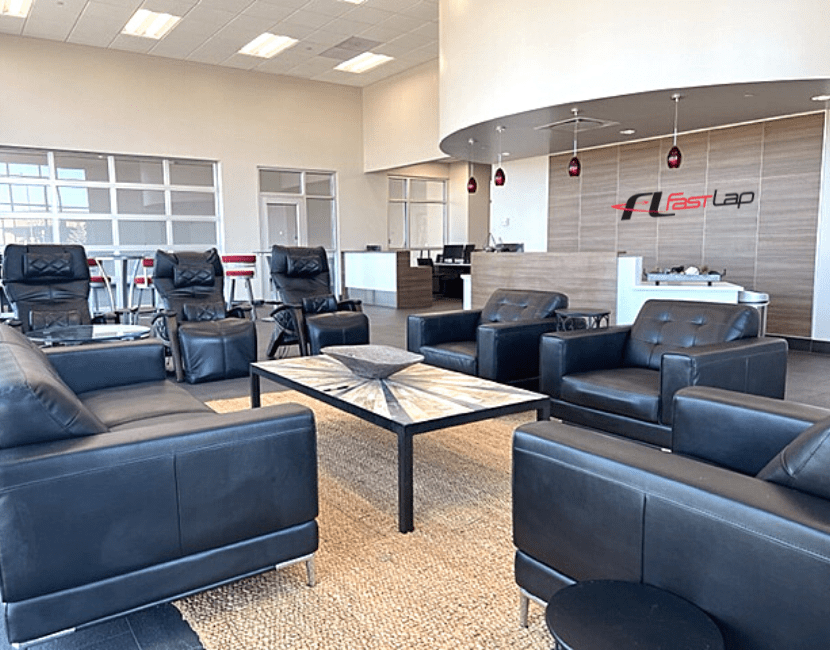
If you’re looking for an auto repair shop in Oklahoma City, FastLap Auto Repair provides routine maintenance, diagnostics, and automotive repairs for a wide range of vehicles.
Whether your vehicle needs scheduled maintenance or you’re trying to diagnose a new problem, our team can inspect the vehicle, explain what we find, and recommend the appropriate next steps.
Learn more about our auto repair services in Oklahoma City or schedule an appointment with FastLap Auto Repair.