
How to Extend Tire Life With Regular Maintenance

Tires are a significant investment, so replacing them earlier than expected is something most drivers want to avoid.
Regular tire maintenance can help reduce premature wear, improve handling, and give you more usable life from your tires. The key is staying ahead of issues such as improper inflation, uneven tread wear, wheel misalignment, and tire damage.
FastLap Auto Repair provides professional tire services in Oklahoma City to help drivers maintain, inspect, and replace tires when needed.
Why Does Tire Maintenance Matter?
Your tires are the only part of the vehicle that maintains direct contact with the road. Their condition can affect traction, braking, steering, ride quality, and overall vehicle performance.
When tires wear unevenly or operate at the wrong pressure, they may lose usable tread more quickly than expected. Small maintenance issues can also become larger problems if they’re ignored.
Routine tire care can help:
- Promote more even tread wear
- Extend the usable life of the tires
- Maintain predictable handling
- Reduce the risk of premature tire replacement
- Identify damage before it becomes more serious
What Does Routine Tire Maintenance Include?
Tire maintenance involves more than simply checking the tread once in a while. Several services and inspections work together to help tires perform properly.
Tire Pressure Checks
Proper tire pressure is important for tread wear, handling, and tire performance.
Underinflated or overinflated tires can wear differently across the tread and may affect how the vehicle handles. Tire pressures should be checked against the vehicle manufacturer’s recommended pressure, which is usually listed on a placard inside the driver’s door area or in the owner’s manual.
Pressure should be checked when the tires are cold whenever possible.
Tire Rotations
Tires don’t always wear at the same rate in every position on the vehicle. Steering, braking, drivetrain configuration, vehicle weight distribution, and driving habits can all affect tread wear.
Rotating the tires according to the vehicle and tire manufacturer’s recommendations can help distribute normal wear more evenly.
If you’re unsure how rotation differs from alignment, read our guide to tire rotation vs. wheel alignment.
Wheel Alignment Checks
Wheel alignment affects the angles at which the tires contact the road. When those angles move outside manufacturer specifications, certain areas of the tread may wear faster than others.
Signs that your vehicle may need an alignment include:
- Pulling or drifting to one side
- An off-center steering wheel
- Uneven wear along the inside or outside edges of the tires
- Changes in steering or handling
If you notice these symptoms, FastLap provides wheel alignment service in Oklahoma City to measure and correct wheel angles when needed.
Tread and Damage Inspections
Regularly inspecting the tread can help identify unusual wear before it becomes severe.
Technicians may also look for:
- Nails or other embedded objects
- Cuts or punctures
- Sidewall damage
- Bulges or unusual deformation
- Cracking
- Uneven tread wear
- Signs of impact damage
Some tire damage may be repairable, while other conditions require replacement. The location and severity of the damage are important factors.
Wheel Balancing
Wheel balancing corrects uneven weight distribution within the tire and wheel assembly.
An imbalance can cause vibration, particularly at certain driving speeds, and may contribute to irregular tire wear or additional stress on steering and suspension components.
Our guide to wheel balancing vs. wheel alignment explains how to tell the two services apart.
What Causes Tires to Wear Out Early?
Tire wear depends on more than mileage alone. Several vehicle and driving conditions can shorten tire life.
Common causes of premature or uneven tire wear include:
- Incorrect tire pressure
- Wheel alignment problems
- Skipping tire rotations
- Worn steering or suspension components
- Wheel imbalance
- Frequent hard acceleration or braking
- Pothole and curb impacts
- Driving frequently on rough roads
- Vehicle overloading
Tire age, tread compound, vehicle type, and driving environment also affect how quickly tires wear.
How Does Wheel Alignment Affect Tire Life?
Improper wheel alignment can cause sections of the tire tread to carry more load than intended.
For example, certain camber or toe problems can contribute to accelerated wear along an edge of the tire or create irregular tread patterns.
Correcting an alignment problem can help prevent additional abnormal wear, but it cannot restore tread that has already been lost.
That’s why unusual tire wear is worth investigating early rather than waiting until the tire needs replacement.
Can Tire Rotation Make Tires Last Longer?
Tire rotation can help extend usable tire life by distributing normal wear across different positions on the vehicle.
However, rotation won’t correct an underlying mechanical problem. If the tires are wearing unevenly because of alignment, suspension, pressure, or wheel issues, the cause needs to be addressed separately.
Think of rotation as a way to manage normal wear rather than a repair for abnormal wear.
How Often Should You Check Your Tires?
There isn’t one maintenance schedule that applies to every vehicle and tire.
Tire pressure should be checked periodically and before long trips, while rotation and other service intervals should follow your vehicle and tire manufacturer’s recommendations.
You should also inspect the tires whenever you notice:
- New vibration
- Vehicle pulling
- Changes in steering
- A sudden pressure loss
- Visible tread damage
- Uneven wear
Tire inspections can also be incorporated into regular preventative maintenance.
Simple Ways to Help Your Tires Last Longer
In addition to professional maintenance, there are several simple habits that can help protect your tires.
- Maintain the vehicle manufacturer’s recommended tire pressure
- Check tire pressure before long trips
- Avoid potholes and curb impacts when safely possible
- Rotate tires according to recommended intervals
- Have unusual vibration or pulling inspected
- Watch for uneven tread wear
- Don’t ignore a recurring low-pressure warning
- Avoid overloading the vehicle beyond its rated capacity
Good tire maintenance won’t make tires last forever, but it can help prevent avoidable wear and premature replacement.
When Should Tires Be Replaced?
Tires should be replaced when they no longer provide adequate tread, have unsafe damage, are too old for continued use, or otherwise fail to meet safe operating requirements.
Replacement may also be needed if a puncture or sidewall injury cannot be safely repaired.
If you’re unsure whether a tire can remain in service, FastLap can inspect the tread, damage, pressure, and overall condition and recommend the appropriate next step.
Tire Maintenance FAQs
What is the best way to make tires last longer?
Maintaining proper tire pressure, rotating tires as recommended, correcting alignment problems, and addressing damage or unusual wear early can all help extend usable tire life.
Does wheel alignment help tires last longer?
Proper alignment can help prevent premature wear caused by incorrect wheel angles. Tire life also depends on inflation, rotation, suspension condition, tire quality, and driving habits.
Can skipping tire rotations cause uneven wear?
Yes. Different tire positions can wear at different rates. Regular rotation can help distribute normal wear more evenly across the set.
Why are my tires wearing unevenly?
Uneven tire wear can result from alignment problems, improper pressure, suspension wear, wheel imbalance, lack of rotation, or other vehicle conditions. The wear pattern should be inspected to help identify the cause.
Can a nail in a tire be repaired?
Some punctures may be repairable depending on their location, size, and the overall condition of the tire. Sidewall or certain shoulder-area damage generally requires more caution, so the tire should be professionally inspected.
Do I need new tires if the tread is wearing unevenly?
It depends on how much tread remains and the severity of the wear. Correcting the underlying issue can prevent additional uneven wear, but tread that has already been lost cannot be restored.
Tire Maintenance and Service in Oklahoma City, OK
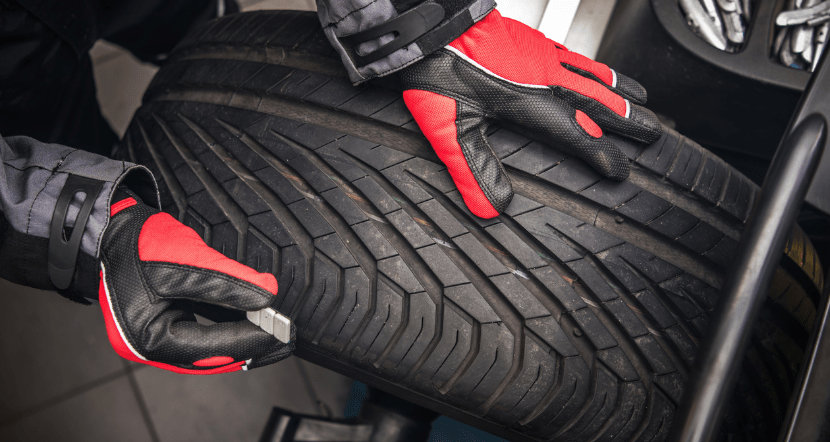
If you’re noticing uneven tread wear, vibration, pressure loss, or other tire concerns, FastLap Auto Repair can inspect your tires and determine what may be causing the problem.
Our tire services in Oklahoma City include tire inspection, maintenance, and replacement when needed. We can also evaluate alignment, balance, steering, and suspension concerns that may be contributing to abnormal tire wear.
Schedule a tire service appointment with FastLap Auto Repair today.