
Brake Maintenance and Repair Tips for Oklahoma City Drivers
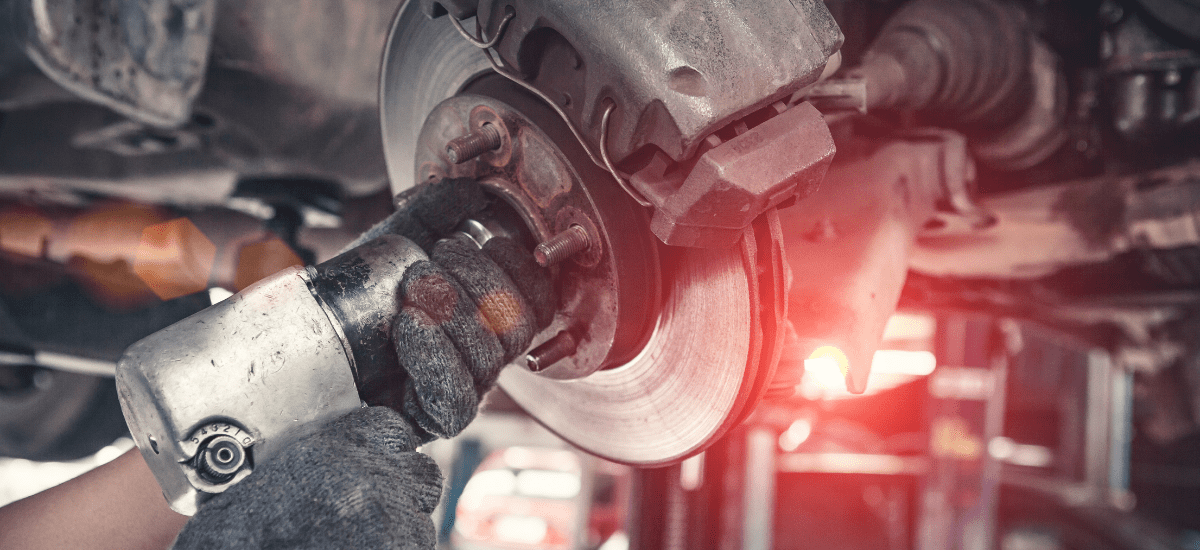
Your brakes are one of the most important safety systems on your vehicle. While it’s easy to think about them only when something goes wrong, regular inspections and timely repairs can help catch wear before it develops into a larger braking problem.
If you notice squealing, grinding, vibration, changes in pedal feel, or other unusual braking behavior, don’t ignore it. FastLap Auto Repair provides professional brake service in Oklahoma City to inspect the system and determine what your vehicle needs.
Why Is Regular Brake Maintenance Important?
Your braking system contains multiple components that work together every time you press the brake pedal. Depending on the vehicle, these can include brake pads, rotors, calipers, brake fluid, hoses, lines, and electronic braking components.
Normal driving gradually wears some of these components. Staying on top of brake inspections and repairs can help:
- Maintain reliable stopping performance
- Identify worn components before additional damage occurs
- Reduce the risk of more extensive brake repairs
- Maintain consistent brake-pedal response
- Address brake-fluid or hydraulic-system problems
- Keep your vehicle safer and more predictable to drive
Common Signs Your Brakes May Need Repair
Your vehicle will often give you warning signs when something within the braking system needs attention.
Squealing or Squeaking When Braking
A squealing or squeaking sound can sometimes indicate brake-pad wear. Some brake pads include wear indicators designed to produce noise when the pads are approaching replacement.
Brake noise can have several causes, however, so an inspection is the best way to determine what is actually happening.
Grinding When You Apply the Brakes
Grinding is a more concerning brake symptom and should be inspected promptly. In some cases, severely worn brake pads can allow metal components to contact the brake rotor, potentially increasing the extent of the repair.
Vibration While Braking
If you feel vibration through the brake pedal or steering wheel while slowing down, there may be a problem involving the brake rotors or another component of the braking, steering, or suspension system.
Because several problems can cause vibration, the vehicle should be inspected before assuming the brakes are responsible.
Brake Warning Light
A brake warning light or ABS warning light shouldn’t be ignored.
Different warning lights can indicate different conditions, including low brake fluid, an ABS fault, a parking brake condition, or another problem within the braking system.
If you’re unsure why a dashboard warning light has appeared, FastLap also provides vehicle diagnostics in Oklahoma City.
Changes in Brake Pedal Feel
Pay attention if the brake pedal suddenly feels different than usual.
A pedal that feels unusually soft, spongy, hard, or travels farther than normal can indicate a problem that requires inspection.
Vehicle Pulling While Braking
If the vehicle consistently pulls toward one side when you apply the brakes, several conditions may be responsible. Possible causes can involve the braking system, tires, steering, or suspension.
A professional inspection can help isolate the actual cause.
Burning Smell or Smoke Near a Wheel
A strong burning smell after braking can indicate excessive heat. If you notice smoke, extreme heat near a wheel, or significant changes in braking performance, stop driving when it is safe to do so and have the vehicle evaluated.
How Can You Help Your Brakes Last Longer?
Brake wear can’t be eliminated, but good maintenance habits can help you identify problems sooner and avoid unnecessary damage.
Don’t Ignore Small Changes
A minor squeak, occasional vibration, or subtle change in pedal feel may be easy to dismiss. However, changes in braking behavior are worth investigating.
Having a minor issue inspected early can sometimes prevent additional wear to related components.
Include Brake Inspections With Routine Maintenance
Routine service visits are a good opportunity to keep an eye on brake condition.
When you visit FastLap for an oil change or other preventative maintenance, ask whether the condition of your brakes should also be inspected.
Depending on the inspection, technicians may evaluate brake-pad condition, rotor condition, brake fluid, visible hydraulic components, and other parts of the system.
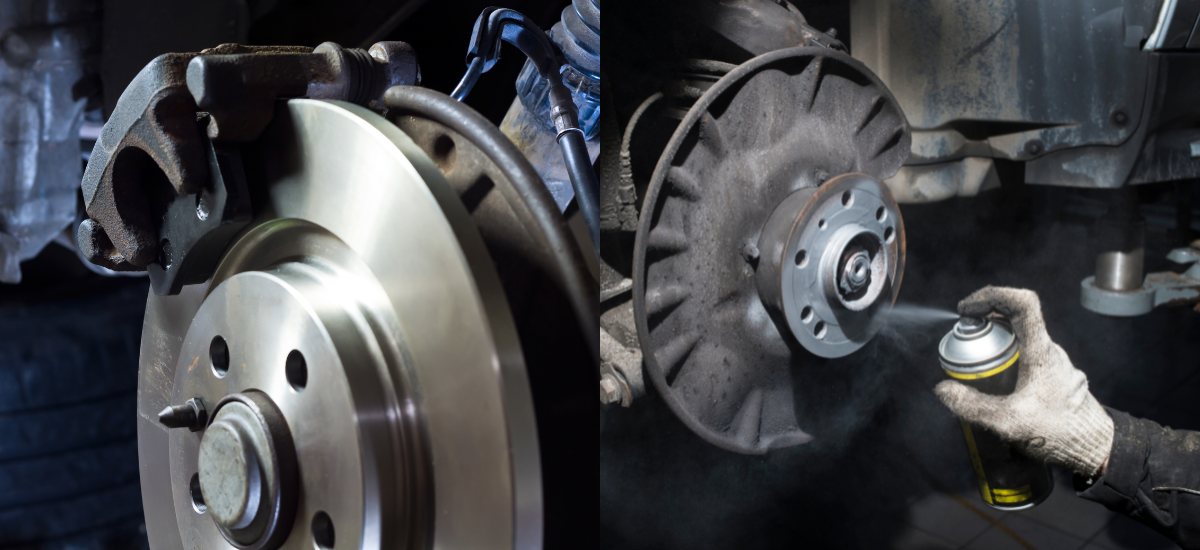
Replace Worn Brake Components When Needed
Brake components don’t have one universal replacement interval. Their lifespan can vary considerably depending on the vehicle, component design, driving habits, traffic, terrain, towing, and other conditions.
Instead of replacing brake pads or rotors based on a generic mileage number, follow your vehicle manufacturer’s maintenance guidance and have the components inspected when symptoms appear.
Pay Attention to Brake Fluid
Brake fluid is an important part of the hydraulic braking system. Its condition and recommended service interval can vary by vehicle manufacturer.
Rather than flushing brake fluid according to an arbitrary mileage interval, follow the recommendations for your specific vehicle and have the fluid inspected if there are concerns about its condition or the hydraulic system.
How Often Should Brakes Be Inspected?
There isn’t one inspection schedule that applies to every vehicle.
Your driving habits, vehicle type, mileage, traffic conditions, and manufacturer recommendations can all influence how frequently brake components need attention.
Drivers who frequently encounter stop-and-go traffic, tow heavy loads, drive in hilly areas, or put substantial mileage on their vehicles may experience brake wear differently than drivers with lighter usage.
The most important rule is not to wait for a specific mileage interval when your vehicle is already showing symptoms.
Brake Pads vs. Rotors: What’s the Difference?
Brake pads and rotors work together but perform different jobs.
Brake pads create friction against the rotor when the brakes are applied. Because they’re friction components, they gradually wear down during normal use.
Brake rotors are the discs that the brake pads clamp against. Rotors can also wear over time and may develop thickness variation, surface damage, excessive corrosion, or other conditions that affect braking.
A brake inspection can determine the condition of both components and whether service is necessary.
Can Driving Habits Affect Brake Wear?
Yes. How and where you drive can significantly affect how quickly brake components wear.
Factors that can increase brake usage include:
- Frequent stop-and-go traffic
- Repeated hard braking
- Driving in hilly areas
- Towing or carrying heavy loads
- Frequent short-distance city driving
Leaving additional following distance and avoiding unnecessary hard braking can reduce some of the stress placed on the braking system.
Brake Maintenance FAQs
How do I know if I need new brake pads?
Possible signs include squealing, grinding, reduced braking performance, or visible brake-pad wear. Because symptoms can have multiple causes, an inspection is the best way to determine whether the pads actually require replacement.
Can worn brake pads damage the rotors?
They can. If brake pads become severely worn, continued driving may damage the rotor surface and potentially increase the cost of the repair.
Why does my steering wheel shake when I brake?
Brake-related vibration can sometimes involve rotor condition, but steering, suspension, wheel, and tire problems can produce similar symptoms. You should inspect the vehicle to determine the source.
How long do brake pads last?
Brake-pad life varies considerably based on the vehicle, pad material, driving environment, vehicle weight, driving habits, and other factors. Inspection is more useful than relying on one universal replacement mileage.
Should brake fluid be changed?
Brake fluid may require periodic service depending on the vehicle manufacturer’s recommendations and the condition of the fluid. Consult your owner’s manual or have the braking system inspected to determine the appropriate service schedule.
Can I keep driving if my brakes are grinding?
Grinding should be taken seriously. Continuing to drive can potentially reduce braking performance or damage additional brake components. Have the vehicle inspected as soon as possible.
Schedule Brake Repair in Oklahoma City, OK
If your brakes are making unusual noises, the vehicle vibrates while stopping, a warning light has appeared, or the brake pedal doesn’t feel right, FastLap Auto Repair can inspect the system and determine what’s causing the problem.
Our brake service in Oklahoma City includes professional inspection and repair of braking-system components based on your vehicle’s actual condition.
You can also explore our complete auto repair services in Oklahoma City or schedule an appointment with FastLap Auto Repair today.