
3 Warning Signs You May Need Brake Repair
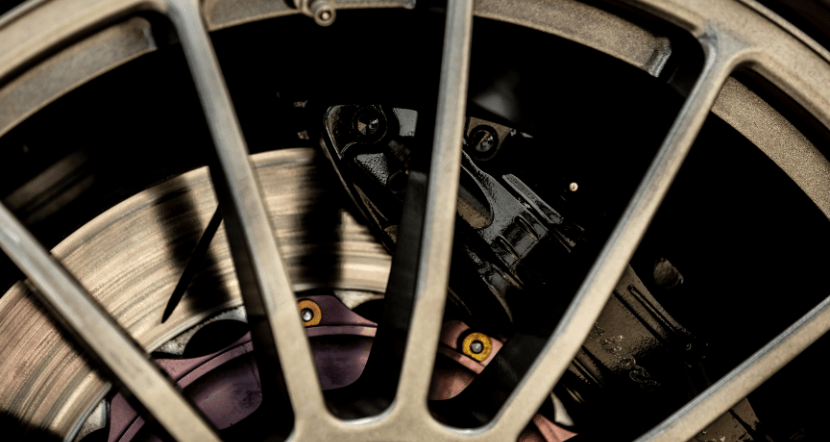
Your brakes are one of your vehicle’s most important safety systems. Changes in how your brakes sound, feel, or respond can indicate worn components or another problem that should be inspected.
Some brake problems develop gradually, while others can become serious quickly. Recognizing the warning signs can help you address an issue before braking performance gets worse or additional components are damaged.
If you’re experiencing brake problems, FastLap Auto Repair provides professional brake service in Oklahoma City, including inspections, maintenance, and repair.
1. Squeaking, Squealing or Grinding Brakes
Unusual noises when you apply the brakes are among the most common signs that your braking system needs attention.
A high-pitched squeaking or squealing sound may indicate that the brake pads are wearing down. Some brake pads include wear indicators designed to make noise when the friction material reaches a certain level.
Grinding can indicate a more advanced problem. If brake-pad material has worn significantly, metal components may begin contacting each other and potentially damage the brake rotors.
Brake noise doesn’t always mean the same thing, so having the system inspected is the best way to determine what’s causing it.
2. Vibration When Braking
If you feel vibration through the steering wheel or brake pedal when slowing down, there may be an issue somewhere in the braking system.
Brake vibration can sometimes be associated with uneven rotor surfaces, worn components, or other conditions affecting how the brake pads contact the rotors.
Because vibration can also be related to tires, suspension, or wheel alignment, a professional inspection can help determine whether the problem is coming from the brakes or another part of the vehicle.
3. Brake Warning Light
A brake warning light on your dashboard should not be ignored. Depending on the vehicle, the warning may be related to the parking brake, brake fluid level, braking system, or another condition that requires attention.
First, make sure the parking brake is completely released. If the warning remains illuminated, check your owner’s manual for vehicle-specific information and consider having the braking system inspected.
If a dashboard warning appears alongside changes in braking performance, unusual noises, or other symptoms, schedule service as soon as possible.
Other Signs Your Brakes May Need Attention
Brake problems don’t always begin with a warning light or obvious grinding noise. Other changes in how your vehicle stops can also indicate that the braking system should be inspected.
Vehicle Pulling While Braking
If your vehicle consistently pulls to one side when you apply the brakes, there may be uneven braking force or another issue affecting the vehicle.
Pulling can have several possible causes, including brake, tire, alignment, or suspension problems, so proper diagnosis is important.
Soft or Spongy Brake Pedal
A brake pedal that suddenly feels softer, spongier, or different from normal is something you should take seriously. Changes in pedal feel may indicate an issue involving brake fluid, hydraulic pressure, or another component within the braking system.
If the brake pedal travels unusually far toward the floor or braking ability has noticeably decreased, avoid continuing to drive the vehicle and have it inspected.
Brake Fluid Leaks
Brake fluid plays an important role in the hydraulic pressure your braking system uses to slow and stop the vehicle. If you notice fluid near a wheel or underneath your vehicle, it should be inspected rather than assuming where the leak is coming from.
A brake fluid leak can affect braking performance and should be addressed promptly. If the brake pedal also feels soft, travels farther than normal, or braking performance has changed, avoid continuing to drive until the vehicle can be inspected.
ABS Warning Light
The anti-lock braking system (ABS) helps prevent the wheels from locking during certain braking situations. If the ABS warning light remains illuminated, the system may have detected a fault that requires diagnosis.
An ABS warning does not always mean your standard brakes have completely stopped working, but it can indicate that anti-lock functionality is unavailable. If the ABS light appears along with a brake warning light or changes in braking performance, have the vehicle inspected as soon as possible.
Burning Smell After Braking
A strong burning smell after repeated or heavy braking may indicate excessive heat in the braking system.
If you notice a burning odor, smoke near a wheel, or significantly reduced braking performance, move the vehicle to a safe location and allow the brakes to cool. Continued driving with an overheated or malfunctioning braking system can be dangerous.
Longer Stopping Distance
If your vehicle seems to take longer than usual to stop, don’t wait for the problem to become more noticeable. Reduced braking performance can result from worn components or other brake-system problems that require inspection.
What Causes Brake Problems?
Your braking system contains several components that work together every time you slow or stop the vehicle. Over time, normal driving can cause these parts to wear.
Common brake-related issues can involve:
- Worn brake pads
- Worn or uneven brake rotors
- Brake fluid problems
- Sticking or damaged brake calipers
- Brake hose or hydraulic-system issues
- Parking brake problems
- ABS-related faults
Driving conditions also affect brake wear. Frequent stop-and-go traffic, towing, carrying heavy loads, and repeated hard braking can place additional demand on braking components.
How Often Should Brakes Be Inspected?
There isn’t one brake inspection interval that applies to every vehicle. Brake wear depends on your vehicle, driving habits, road conditions, mileage, and the type of brake components installed.
Rather than waiting for a problem to develop, incorporate brake inspections into your vehicle’s regular preventative maintenance.
Your owner’s manual and manufacturer maintenance recommendations are also useful to determine when to inspect or service specific brake components and fluids.
Can You Drive With Worn Brakes?
Driving with known brake problems isn’t worth the risk. Minor symptoms can become more serious as components continue to wear, potentially reducing braking performance and causing additional damage.
If you’re hearing grinding, experiencing significantly reduced braking ability, noticing a major change in pedal feel, seeing smoke near a wheel, or suspecting a brake fluid leak, avoid continuing to drive and arrange for professional assistance.
If the symptoms are less severe, schedule an inspection promptly so you can identify the cause before the condition worsens.
Brake Repair FAQs
How do I know if my brake pads are worn?
Common signs can include squeaking, squealing, grinding, changes in braking performance, or a brake wear indicator on vehicles equipped with one. The most reliable way to determine brake-pad condition is through a physical inspection.
Why does my steering wheel shake when I brake?
Vibration during braking can sometimes result from uneven brake rotor surfaces or other braking-system problems. However, tires, suspension, and other components can produce similar symptoms, so you should inspect the vehicle before assuming the brakes are responsible.
Why are my brakes grinding?
Grinding can occur when brake components are significantly worn and should be inspected promptly. Continuing to drive may contribute to additional damage and reduced braking performance.
Why does my brake pedal feel soft?
A soft or spongy brake pedal may indicate a hydraulic or brake-fluid problem. Because changes in brake-pedal feel can affect your ability to stop safely, you should inspect the vehicle as soon as possible.
What does the ABS warning light mean?
The ABS warning light usually means the anti-lock braking system has detected a fault. Your standard braking system may still function, but anti-lock assistance may be unavailable. You should diagnose the system, especially if other brake warnings or performance changes are present.
Should I replace brake pads and rotors at the same time?
Not necessarily. Whether the rotors need replacement depends on their thickness, condition, wear, and manufacturer specifications. A brake inspection can determine which components actually need service.
Schedule Brake Service in Oklahoma City, OK
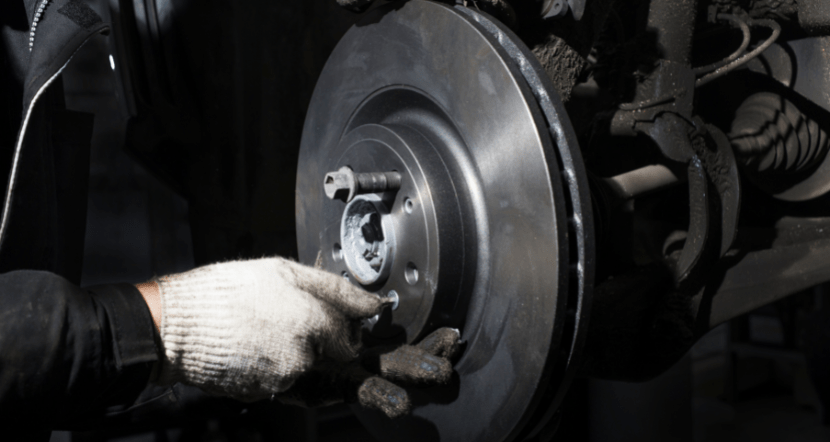
If your brakes are squealing, grinding, vibrating, pulling, or simply don’t feel the way they normally do, FastLap Auto Repair can inspect the braking system and identify what needs attention.
Our brake repair and service in Oklahoma City can address worn components, brake fluid concerns, warning lights, and other braking-system problems based on the condition of your vehicle.
Schedule your brake service appointment with FastLap Auto Repair today.